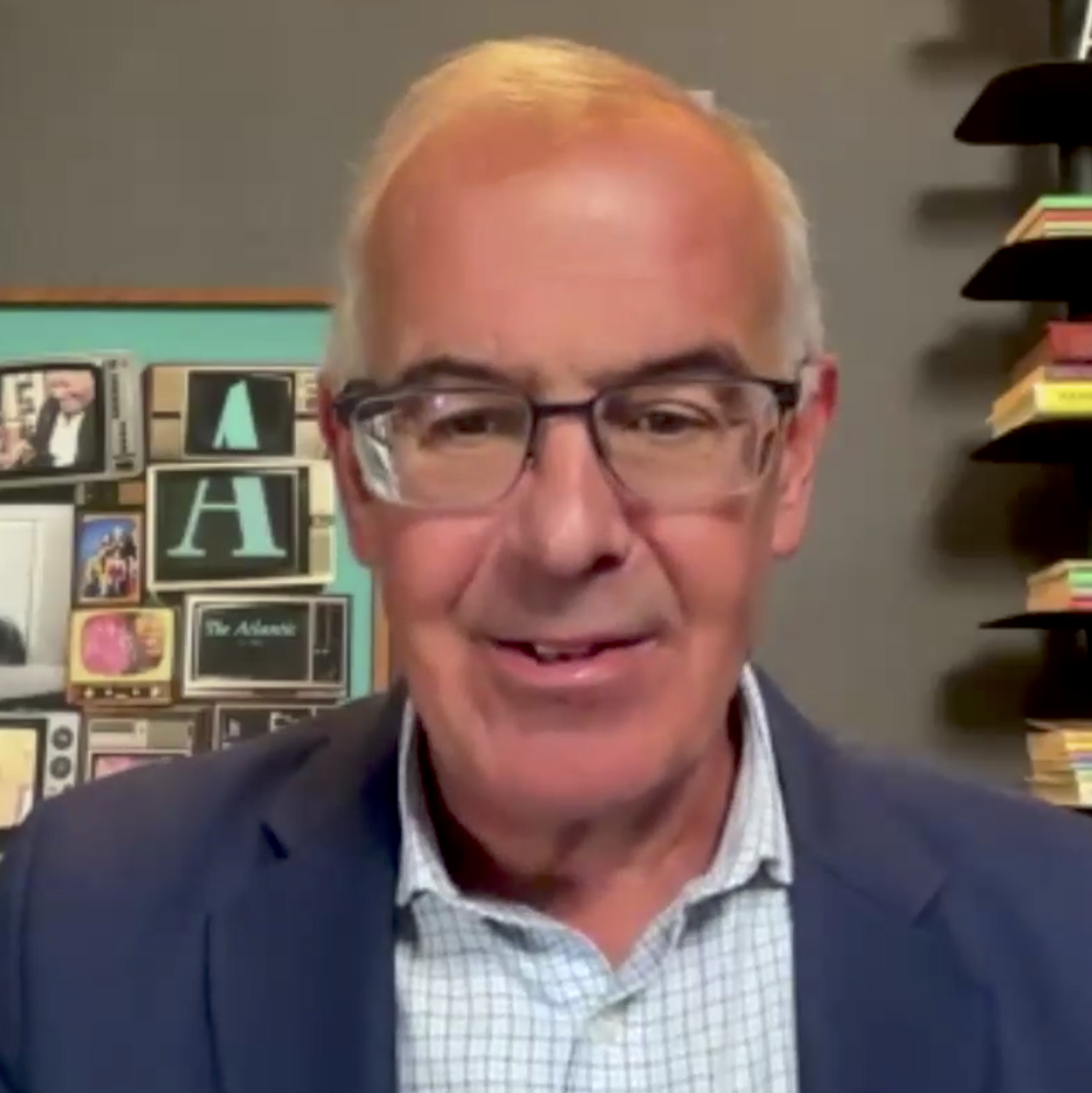
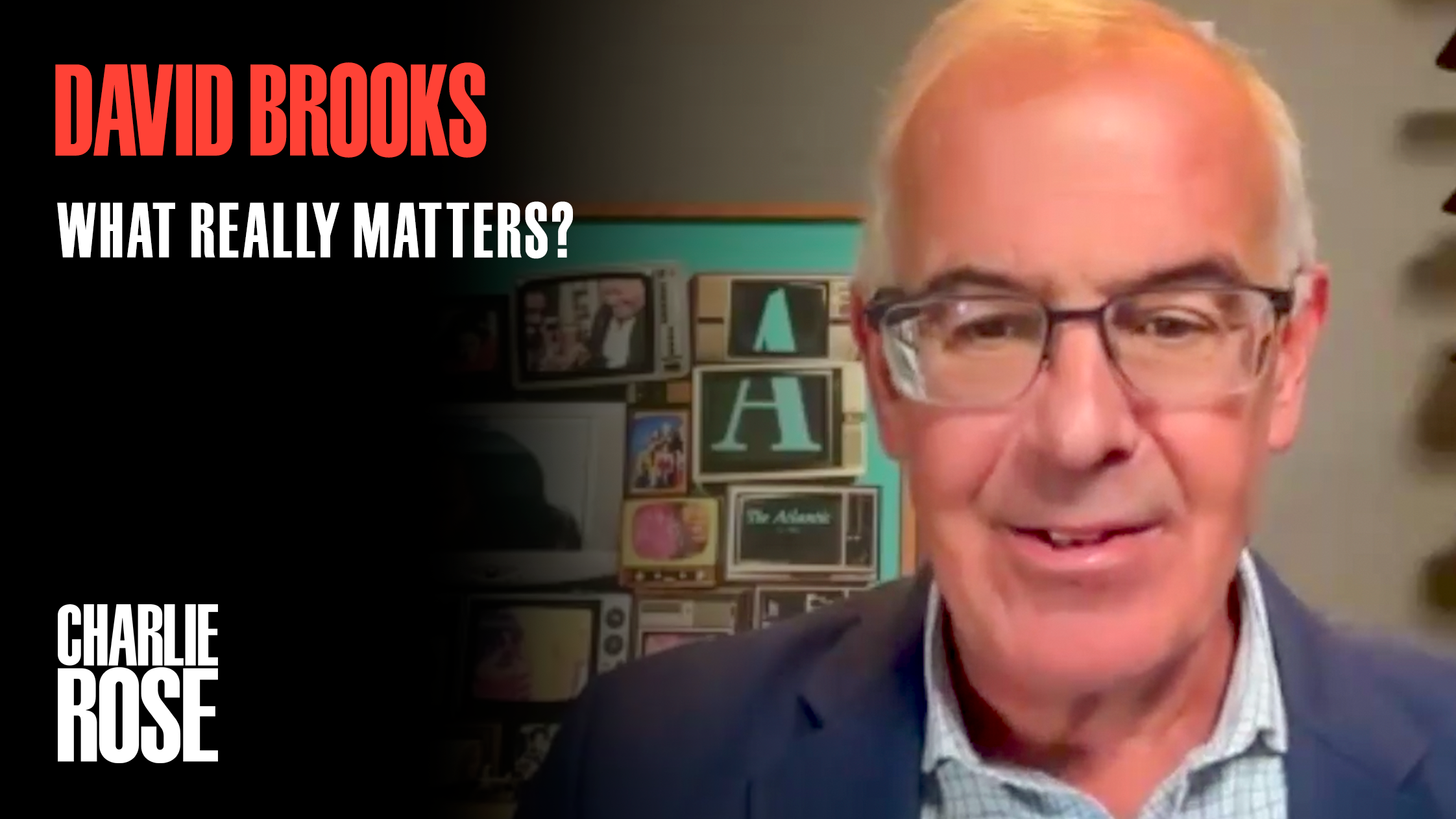
David Brooks, journalist, New York Times columnist, PBS commentator, author, and social analyst, did something few at the top of their game do. He quit his powerful position at The New York Times to write for The Atlantic, host a weekly podcast, and become a fellow at Yale University.
When one examines the evolution in his columns, books, and speaking engagements, it is not a surprising decision.
To understand his reasons, go no further than his “Time to Say Goodbye” column of January 30, 2026. It should be required reading at all schools. You don’t have to agree; simply listen and have conversations.
Brooks has always been interested in the culture beneath politics, and his subject matter has moved from politics to individuals and what makes them tick.
He has moved from what politics does to what the individual does, and he has called on his readers to focus more on eulogy virtues than résumé virtues.
He calls for a restoration of human relationships—not just how we see ourselves, but how we see others and how others see us.
He wants to ask about moral choices more than political choices. He wants to ask what makes a good life.
He argues these are the questions that come from the humanities and a liberal education. The final column is a call to arms for him—and for you—to drink deeply from the humanities.
David Brooks’ new podcast is “Permanent Questions.”
Its first episode was posted on Sunday, September 13.
With the midterm elections a few weeks away and the focus on the 2028 presidential election already here, it is a moment to ask: What essential questions are Americans asking about their lives and the life of their country?
We will ask David Brooks what questions we should be asking and who can help us answer some of what Brooks and his guests call the “permanent questions.” We will ask how some of these questions come from his personal experiences and others from experts.
The first episode of “Permanent Questions” was released on September 13, 2026. The guest was Megan Sullivan, a philosophy professor at the University of Notre Dame, and the subject was “How We Should Lead Our Lives” and “What It Means to Lead a Good Life.
- September 26 2026
- September 21 2026
- September 16 2026
- September 11 2026
- September 03 2026
- August 26 2026
- August 20 2026
- August 14 2026
- July 04 2026
- July 03 2026
- July 02 2026
- June 30 2026
- June 23 2026
- June 22 2026
- June 06 2026
- June 02 2026
- May 29 2026
- May 21 2026
- May 14 2026
- May 06 2026
- May 01 2026
- April 27 2026
- April 24 2026
- April 17 2026
- April 03 2026
- March 13 2026
- March 06 2026
- March 03 2026
- February 18 2026
- February 08 2026
- January 31 2026
- January 19 2026
- October 31 2025
- October 24 2025
- October 14 2025
- October 08 2025
- October 04 2025
- October 02 2025
- September 30 2025
- September 21 2025
- September 16 2025
- September 10 2025
- September 05 2025
- August 22 2025
- July 18 2025
- December 29 2024
- December 09 2024
- November 27 2024
- September 20 2024
- September 10 2024
- August 29 2024
- August 13 2024
- February 20 2024
- February 16 2024
- January 11 2024
- December 26 2023
- December 24 2023
- December 12 2023
- December 04 2023
- November 14 2023
- November 02 2023
- November 01 2023
- October 20 2023
- October 12 2023
- July 28 2023
- March 09 2023
- March 06 2023
- October 07 2022
- September 03 2022
- August 16 2022
- August 03 2022
- June 20 2022
- June 09 2022
- May 27 2022
- May 17 2022
- May 10 2022
- April 14 2022
- Prev
-
September 16 2026
- September 26 2026
- September 21 2026
- September 16 2026
- September 11 2026
- September 03 2026
- August 26 2026
- August 20 2026
- August 14 2026
- July 04 2026
- July 03 2026
- July 02 2026
- June 30 2026
- June 23 2026
- June 22 2026
- June 06 2026
- June 02 2026
- May 29 2026
- May 21 2026
- May 14 2026
- May 06 2026
- May 01 2026
- April 27 2026
- April 24 2026
- April 17 2026
- April 03 2026
- March 13 2026
- March 06 2026
- March 03 2026
- February 18 2026
- February 08 2026
- January 31 2026
- January 19 2026
- October 31 2025
- October 24 2025
- October 14 2025
- October 08 2025
- October 04 2025
- October 02 2025
- September 30 2025
- September 21 2025
- September 16 2025
- September 10 2025
- September 05 2025
- August 22 2025
- July 18 2025
- December 29 2024
- December 09 2024
- November 27 2024
- September 20 2024
- September 10 2024
- August 29 2024
- August 13 2024
- February 20 2024
- February 16 2024
- January 11 2024
- December 26 2023
- December 24 2023
- December 12 2023
- December 04 2023
- November 14 2023
- November 02 2023
- November 01 2023
- October 20 2023
- October 12 2023
- July 28 2023
- March 09 2023
- March 06 2023
- October 07 2022
- September 03 2022
- August 16 2022
- August 03 2022
- June 20 2022
- June 09 2022
- May 27 2022
- May 17 2022
- May 10 2022
- April 14 2022
- Next